
u glass
Understanding Stainless Steel Check Valves A Comprehensive Overview In the realm of fluid control systems, stainless steel check valves play a crucial role in ensuring the smooth and efficient operation of various applications. These valves are designed to allow fluid to flow in one direction while preventing backflow, making them essential components in industries ranging from water treatment to oil and gas. What is a Check Valve? A check valve, also known as a non-return valve, is a type of valve that automatically prevents backflow in piping systems. When fluid flows through the valve in the intended direction, it opens up, allowing passage. If the flow reverses, the valve closes, thus preventing backflow. This mechanism is vital for maintaining pressure and preventing potential damage to equipment. The Advantages of Stainless Steel Stainless steel, known for its durability and corrosion resistance, is a popular material choice for check valves. Unlike other materials that may degrade over time due to harsh environments, stainless steel retains its integrity under high pressures and varying temperatures. Its resistance to rust and chemical corrosion makes it suitable for a wide range of applications, including food processing, pharmaceuticals, and water treatment. Types of Stainless Steel Check Valves There are several types of stainless steel check valves available, each tailored for specific applications 1. Swing Check Valves These valves use a swinging disc to allow fluid flow in one direction. They are suitable for applications with low flow rates and are often used in water and wastewater systems. stainless check valve 2. Lift Check Valves These feature a movable disc or piston that lifts off its seat to permit flow. Lift check valves are ideal in high-pressure and high-flow applications, making them common in industries like oil and gas. 3. Dual Plate Check Valves These have two plates that open and close to allow or block flow. Their compact design makes them ideal for tight spaces and they are highly efficient in high-volume applications. Application of Stainless Steel Check Valves Stainless steel check valves are widely used across various industries. In water treatment facilities, they prevent backflow, ensuring that clean water remains uncontaminated. In the oil and gas sector, they protect pipelines from backpressure, maintaining system integrity. Additionally, in food processing, these valves meet stringent hygiene standards while effectively managing the flow of liquids. Maintenance and Lifespan One of the significant advantages of stainless steel check valves is their longevity. With proper installation and regular maintenance, these valves can have a lifespan of many years. Routine inspections can help identify wear and tear, ensuring timely replacements and minimizing downtime in operations. Conclusion In conclusion, stainless steel check valves are indispensable in various fluid control systems, offering reliability, durability, and efficiency. Their ability to prevent backflow while withstanding harsh conditions makes them a preferred choice across numerous industries. As technology advances, the designs and applications of these valves will continue to evolve, further enhancing operational efficiency and safety in fluid management systems.
about
u glass
Understanding Gate Valves A Comprehensive Overview Gate valves are crucial components in various industrial applications, particularly in the management of fluid flow. One of the specific types gaining popularity is the 2.5-inch gate valve, due to its versatility and efficiency. This article delves into the characteristics, applications, and advantages of gate valves and highlights why the 2.5-inch variant is a preferred choice in many settings. What is a Gate Valve? A gate valve is a type of valve that opens or closes by lifting a rectangular or circular gate out of the path of the fluid. It is primarily designed for on/off control, meaning it is either fully open or fully closed. Unlike globe valves, which are used for throttling purposes, gate valves are not suitable for flow regulation because partially opening them can cause excessive wear on the gate and lead to vibrations and turbulence. Design and Functionality The design of a gate valve typically includes a body, bonnet, gate, and stem. The 2.5-inch gate valve, measuring 2.5 inches in diameter, is a standard size often used in various applications. When the valve is open, the gate is lifted entirely out of the flow path, allowing for minimal pressure drop across the valve. This characteristic makes gate valves a preferred option in applications where fluid flows can be substantial, and efficiency is paramount. The gate valve's operation can be manual or automated. In many cases, a handwheel or lever is used for manual control, while electric, pneumatic, or hydraulic actuators serve automated systems. The choice between manual and automated operations depends on the specific requirements of the application, such as the location of the valve and the frequency of operation. Applications of 2 .5-Inch Gate Valves The 2.5-inch gate valve is widely used in various sectors, including 1. Water Supply and Distribution In municipal water systems, these valves regulate the flow of water, ensuring that supply is managed effectively without significant loss of pressure. 2. Oil and Gas Industry Gate valves are essential in pipelines where they control the flow of crude oil, natural gas, and other liquid hydrocarbons. Their ability to maintain a tight seal under pressure is vital in preventing leaks. 3. Chemical Processing In chemical plants, gate valves are used to manage the flow of various fluids, ranging from corrosive chemicals to slurries. The materials used in the construction of these valves are selected based on the nature of the fluid being transported. gate valve 2.5 4. Fire Protection Systems 2.5-inch gate valves are often employed in fire protection systems, particularly in sprinkler systems. Their quick operation helps ensure rapid response in emergencies. 5. HVAC Systems In heating, ventilation, and air conditioning applications, gate valves control the flow of water in chilled and hot water systems. Advantages of Using Gate Valves Several advantages make gate valves, particularly the 2.5-inch variant, a preferred choice in many industries - Low Resistance to Flow The straight-through design of gate valves allows for high flow rates with minimal pressure drop, making them ideal for systems where maintaining flow is crucial. - Durability Gate valves are built to withstand high pressure and temperature, contributing to their longevity. They are typically constructed from robust materials such as cast iron, stainless steel, or brass, depending on the application requirements. - Sealing Capability When fully closed, gate valves provide a tight seal, preventing any backflow or leakage, which is essential in maintaining system integrity. - Versatility The ability to handle a wide range of fluids, including corrosive substances, makes gate valves suitable for diverse industrial applications. - Cost-Effectiveness While the initial investment for a gate valve might be higher than some other types, their durability and low maintenance requirements can lead to cost savings over their operational lifespan. Conclusion In conclusion, the 2.5-inch gate valve is a vital component in various industrial applications, providing efficient control of fluid flow. Its unique design, combined with the advantages of low resistance to flow, durability, and effective sealing capabilities, positions it as a preferred choice in sectors such as municipal water supply, oil and gas, chemical processing, and fire protection systems. Understanding the functionality and applications of gate valves can significantly enhance operational efficiency and safety in fluid management.
-

High quality industrial productsagement

High quality industrial products
View Details -

Meet the diverse needs of customers

Meet the diverse needs of customers
View Details -

Strict quality control

Strict quality control
View Details -

Top raw materials

Top raw materials
View Details -

Trusted supplier

Trusted supplier
View Details
Our application

news and information
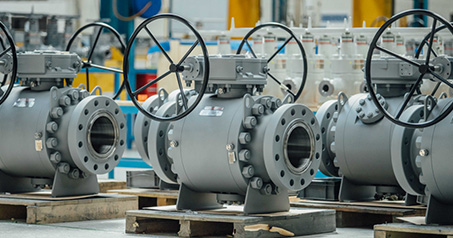
Water Pressure Regulation Valve for Efficient Flow Control in Hydraulic Systems
Understanding Water Pressure Control Valves Water pressure control valves are essential components i

Válvula de puerta de 50 mm
Válvula de compuerta de 50 mm una solución eficaz para el control de fluidos La válvula de compuerta
Versatile Welding Table Clamps for Secure and Efficient Metalworking Projects and Fabrication Tasks
The Importance of Welding Table Clamps in Metalworking Welding is a fundamental process in metalwork
 English